
Blog Details
Blog Details
Oral Health Tips
20 Jan 2025
Oral Health Tips
20 Jan 2025
How Veneers Can Completely Transform Your Smile
How Veneers Can Completely Transform Your Smile
Flossing is promoted as vital — but is it always necessary? We explore the benefits, drawbacks, and the situations where it truly counts.
Flossing is promoted as vital — but is it always necessary? We explore the benefits, drawbacks, and the situations where it truly counts.

Author
Dr. James Parker
Author
Dr. James Parker
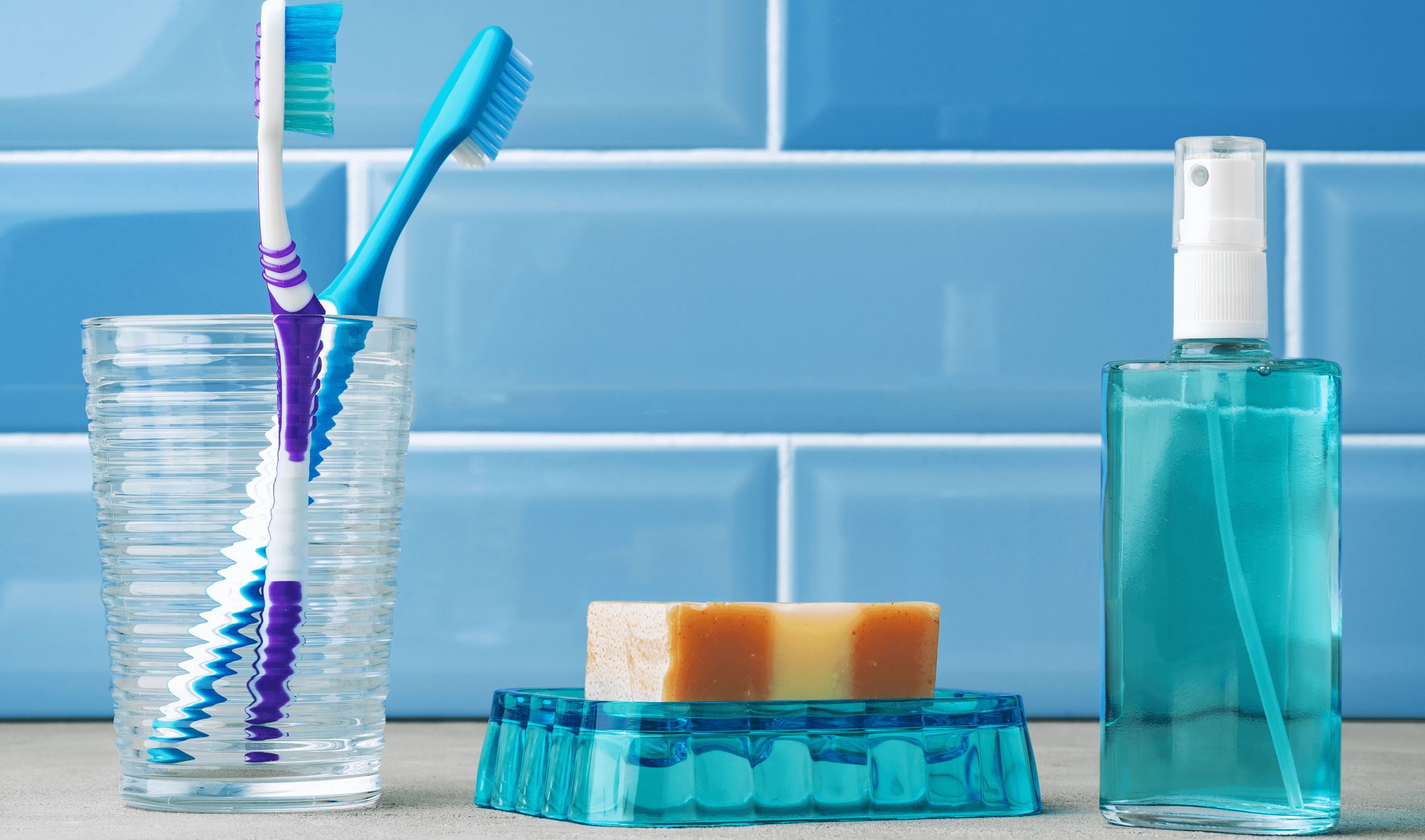
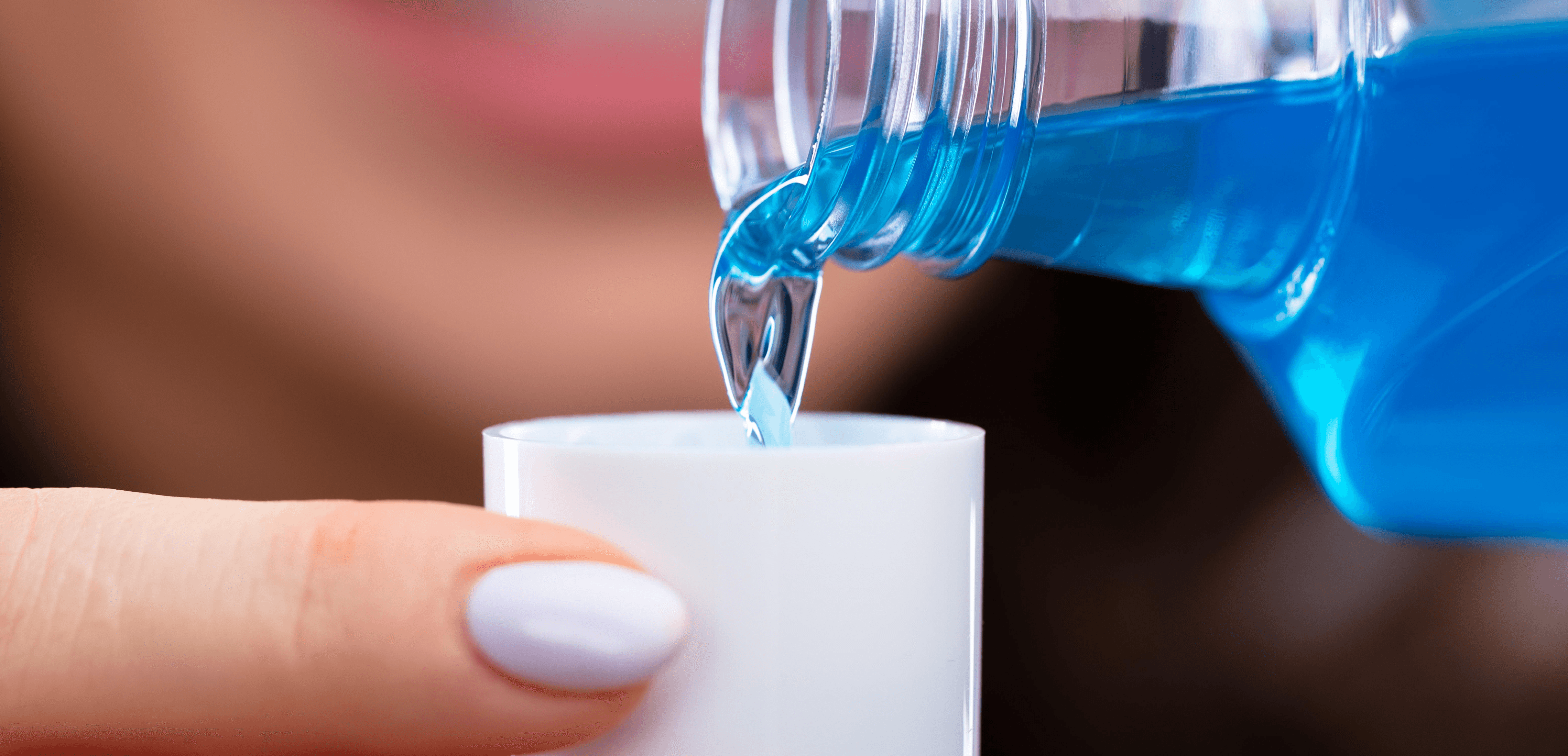
Mouthwash is often seen as the finishing touch in a daily oral care routine — a quick swish for fresh breath. But is it really necessary, or just a nice extra? Dentists have varying opinions, and in this article, we break down what’s fact, what’s myth, and when you might actually benefit from using it.
The Role of Mouthwash in Oral Care
Mouthwash is designed to reach areas in your mouth that brushing and flossing might miss. Depending on the formulation, it can kill bacteria, strengthen enamel, and reduce plaque buildup. However, it works best as a complementary step rather than a replacement for mechanical cleaning.
Section 1: What Mouthwash Does
Kills bacteria that cause bad breath and gum disease
Provides fluoride for cavity prevention (in some formulas)
Helps reduce plaque buildup
Section 2: When Mouthwash Is Beneficial
After dental surgery or extractions (as recommended)
For people prone to gum disease or cavities
As part of treatment for chronic bad breath
Section 3: What Dentists Recommend
Dentists generally agree that mouthwash can be a helpful addition for some, but not a requirement for everyone. The key is choosing the right type — alcohol-free for sensitive mouths, fluoride-based for cavity prevention, or antibacterial for gum health.
Mouthwash is often seen as the finishing touch in a daily oral care routine — a quick swish for fresh breath. But is it really necessary, or just a nice extra? Dentists have varying opinions, and in this article, we break down what’s fact, what’s myth, and when you might actually benefit from using it.
The Role of Mouthwash in Oral Care
Mouthwash is designed to reach areas in your mouth that brushing and flossing might miss. Depending on the formulation, it can kill bacteria, strengthen enamel, and reduce plaque buildup. However, it works best as a complementary step rather than a replacement for mechanical cleaning.
Section 1: What Mouthwash Does
Kills bacteria that cause bad breath and gum disease
Provides fluoride for cavity prevention (in some formulas)
Helps reduce plaque buildup
Section 2: When Mouthwash Is Beneficial
After dental surgery or extractions (as recommended)
For people prone to gum disease or cavities
As part of treatment for chronic bad breath
Section 3: What Dentists Recommend
Dentists generally agree that mouthwash can be a helpful addition for some, but not a requirement for everyone. The key is choosing the right type — alcohol-free for sensitive mouths, fluoride-based for cavity prevention, or antibacterial for gum health.
Types of Mouthwash and Their Benefits
Not all mouthwashes are created equal. Some contain fluoride to strengthen teeth, others have antibacterial agents to fight gum disease, and some are alcohol-free for sensitive mouths. Choosing the right one for your needs is key to getting real benefits from this step in your routine.
Common Misconceptions About Mouthwash
Myth: Mouthwash can replace brushing and flossing
Reality: It can’t remove plaque the way physical cleaning does.Myth: The stronger the burn, the better it works
Reality: Alcohol-based formulas can cause discomfort without necessarily being more effective.Myth: Everyone should use mouthwash daily
Reality: Many people maintain excellent oral health without it.eing more effective.
Types of Mouthwash and Their Benefits
Not all mouthwashes are created equal. Some contain fluoride to strengthen teeth, others have antibacterial agents to fight gum disease, and some are alcohol-free for sensitive mouths. Choosing the right one for your needs is key to getting real benefits from this step in your routine.
Common Misconceptions About Mouthwash
Myth: Mouthwash can replace brushing and flossing
Reality: It can’t remove plaque the way physical cleaning does.Myth: The stronger the burn, the better it works
Reality: Alcohol-based formulas can cause discomfort without necessarily being more effective.Myth: Everyone should use mouthwash daily
Reality: Many people maintain excellent oral health without it.eing more effective.

“I’ve always been anxious about dental visits, but the staff here made a huge difference. Dr. Carter’s gentle approach and clear communication helped me overcome my fears. The treatment was pain-free, and the results exceeded my expectations.”

Saran M.
“I’ve always been anxious about dental visits, but the staff here made a huge difference. Dr. Carter’s gentle approach and clear communication helped me overcome my fears. The treatment was pain-free, and the results exceeded my expectations.”
Saran M.
The Dentist’s Perspective
Most dentists agree that mouthwash is not an essential requirement for everyone but can be highly beneficial for specific cases. They emphasize that personalized care is the best approach — your dental routine should be tailored to your unique oral health needs.
How to Use Mouthwash Effectively
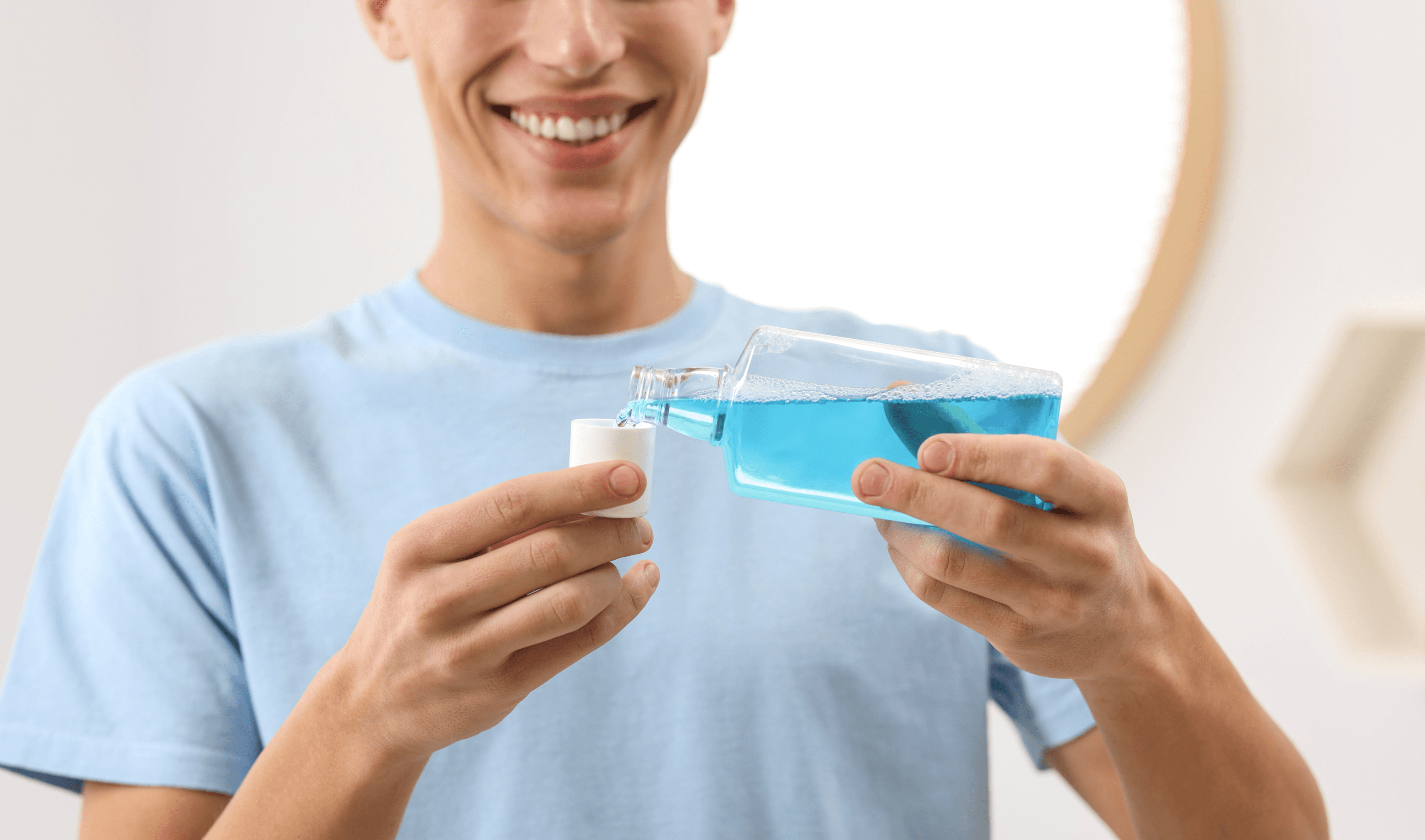
For those who choose to include mouthwash, timing matters. Use it after brushing and flossing for maximum impact, and avoid eating or drinking for at least 30 minutes afterward. Always follow the recommended dosage and swish for the advised amount of time to get the full benefits.
When your body speaks, it's wise to listen. Many health issues start subtly and grow more serious if left unchecked. Below are 10 warning signs that could point to underlying health conditions — recognizing them early can make a life-saving difference.
Conclusion – Is Mouthwash Worth It?
Mouthwash isn’t a magic bullet, but for many people, it’s a valuable addition to their dental care. Whether you use it daily or occasionally, the most important thing is to keep up with brushing, flossing, and regular dental check-ups. When in doubt, consult your dentist to see if it’s right for you.
The Dentist’s Perspective
Most dentists agree that mouthwash is not an essential requirement for everyone but can be highly beneficial for specific cases. They emphasize that personalized care is the best approach — your dental routine should be tailored to your unique oral health needs.
How to Use Mouthwash Effectively
For those who choose to include mouthwash, timing matters. Use it after brushing and flossing for maximum impact, and avoid eating or drinking for at least 30 minutes afterward. Always follow the recommended dosage and swish for the advised amount of time to get the full benefits.
When your body speaks, it's wise to listen. Many health issues start subtly and grow more serious if left unchecked. Below are 10 warning signs that could point to underlying health conditions — recognizing them early can make a life-saving difference.
Conclusion – Is Mouthwash Worth It?
Mouthwash isn’t a magic bullet, but for many people, it’s a valuable addition to their dental care. Whether you use it daily or occasionally, the most important thing is to keep up with brushing, flossing, and regular dental check-ups. When in doubt, consult your dentist to see if it’s right for you.
Key Takeaways
Mouthwash is not essential for everyone but can be beneficial for specific oral health needs.
It works best as a supplement to brushing and flossing, not a replacement.
Different types of mouthwash serve different purposes — choose one based on your needs (fluoride, antibacterial, alcohol-free, etc.).
People with gum disease, cavities, or bad breath may see more noticeable benefits.
Consult your dentist to determine if mouthwash should be part of your daily routine.
Key Takeaways
Mouthwash is not essential for everyone but can be beneficial for specific oral health needs.
It works best as a supplement to brushing and flossing, not a replacement.
Different types of mouthwash serve different purposes — choose one based on your needs (fluoride, antibacterial, alcohol-free, etc.).
People with gum disease, cavities, or bad breath may see more noticeable benefits.
Consult your dentist to determine if mouthwash should be part of your daily routine.

Tips: Choose the right formula – Look for fluoride for cavity protection, antibacterial for gum health, or alcohol-free for sensitive mouths.
Tips: Choose the right formula – Look for fluoride for cavity protection, antibacterial for gum health, or alcohol-free for sensitive mouths.
Share This


Share This
Popular Post
Popular Post
Expert
Your Smile Deserves Expert Care

Exceptional Dentist for You Every Visit.

Let’s Make It Happen Together Today.
Take the First Step Toward a Healthier, Brighter Smile — With Dental Care You Can Trust. Book your visit today!
Expert
Your Smile Deserves Expert Care
Exceptional Dentist for You Every Visit.
Let’s Make It Happen Together Today.
Take the First Step Toward a Healthier, Brighter Smile — With Dental Care You Can Trust. Book your visit today!
Expert
Your Smile Deserves Expert Care
Exceptional Dentist for You Every Visit.
Let’s Make It Happen Together Today.
Take the First Step Toward a Healthier, Brighter Smile — With Dental Care You Can Trust. Book your visit today!